





EPR textile: 41% of companies don’t know if they’re involved
The countdown for Extended Producer Responsibility in the textile-footwear sector has already begun. According to the latest statements from MASE – the Ministry of Environment and Energy Security – the decree introducing EPR in Italy is expected by the end of the year. The figures collected by Ecotessili in the first quarter of 2026 paint a picture of a supply chain that is aware of the issue, but not sufficiently prepared.
The most significant finding from the self-assessment test promoted by the Consortium is that 41% of textile companies don’t know whether EPR regulations apply to them. Of these, 70% are in fact subject to it as producers. An information gap that risks becoming an operational problem as soon as the regulation takes effect.
«We wanted to provide companies with a simple tool to understand how prepared they are to face a change that will impact the entire supply chain», explains Giancarlo Dezio, General Director of Ecotessili. «The initial responses indicate that preparedness is still partial, but companies are aware of their gaps and are asking to be trained and informed».
The sample is significant: responses came mainly from SMEs (80%), concentrated in Northern and Central Italy, operating in clothing, footwear, home textiles and accessories sectors. About half work on a third-party basis – a category not directly subject to EPR obligations, but nonetheless required to provide answers to their customers. 45% also operate on foreign markets, a significant figure because the regulation responds to a European directive destined to progressively extend to all EU countries.
On the knowledge front, 85% of companies say they’ve heard of EPR, but none claim to understand it in depth. The gaps on concrete obligations are even more pronounced: 77% of companies know that registration with a consortium will be necessary, 57% are aware of the periodic reporting obligation, while only half know about the eco-contribution. The digital product passport is known by virtually all companies, but few really understand what it entails. As regards consortia: 40% of companies say they don’t know what their role is.
Overall, the picture indicates that information and training remain urgent priorities for guiding the supply chain towards compliance.
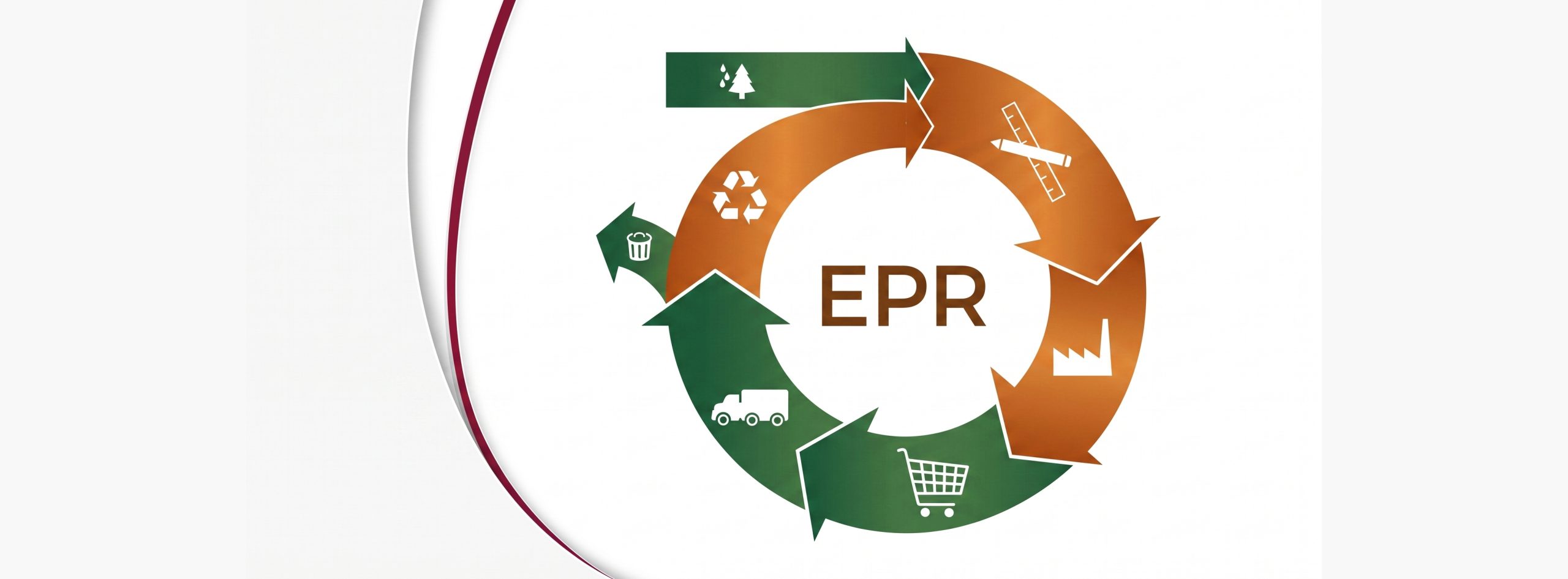
A brief overview of what textile EPR is. Extended Producer Responsibility is the principle whereby producers, brands, importers and distributors of textile products become responsible for managing end-of-life garments, financing collection, reuse, recycling and disposal through consortium systems. It covers not only clothing, but also footwear, home textiles and accessories. Envisaged by the European Union as part of circular economy policies, the model aims to reduce the environmental impact of the sector by incentivising more durable and recyclable products; in Italy the system awaits the approval of the decree that will define the operational framework.
Next Thursday we’ll explore the world of biomaterials and the transformations they could bring to fashion and footwear production.