




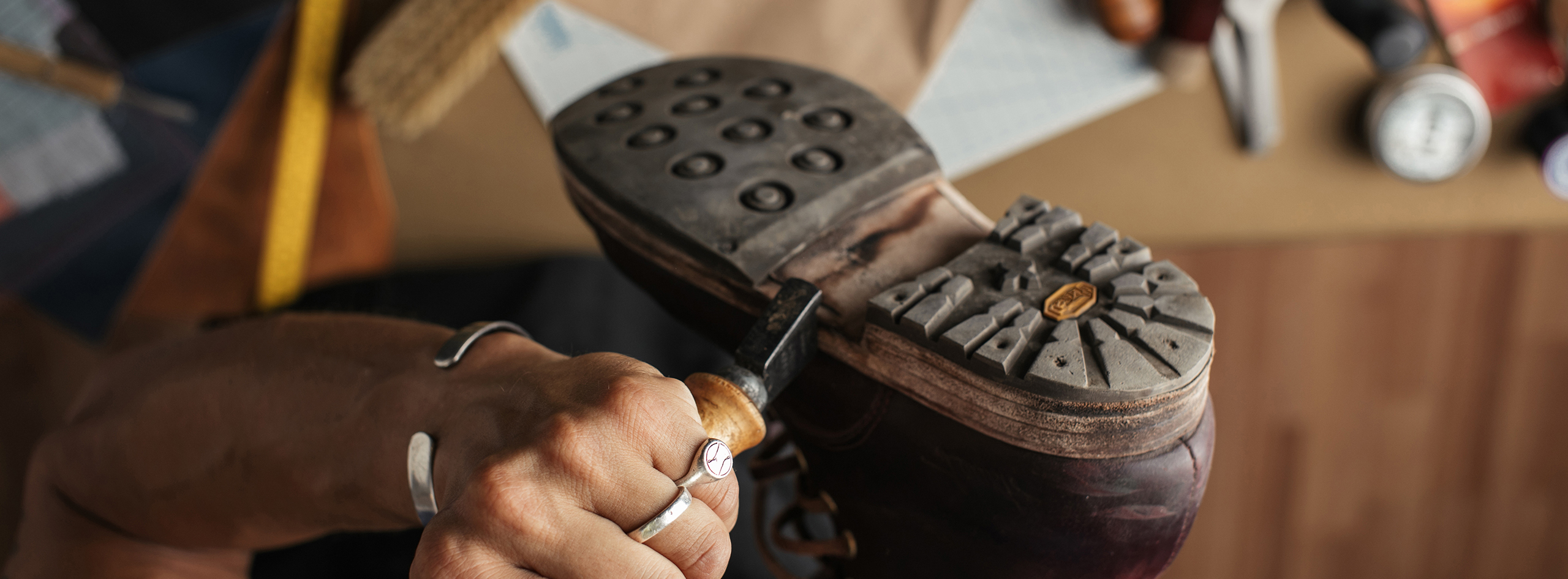

Repair and resale still make little sense. The push to change the rules
In 2005, Ellen MacArthur completed a solo round-the-world yacht race, setting a speed record. From that voyage, she learned a simple lesson: whatever you take with you must last until you reach your destination, because there is no resupply in the middle of the ocean. That experience led to the creation of the foundation that now bears her name, which has become the world’s leading authority on the circular economy.
It is within this framework that The Fashion ReModel has taken shape, the demonstration project from which a policy brief signed by more than 65 brands and operators has emerged. Among the names with a significant footwear offer are Amer Sports, Arc’teryx, Ecoalf, Stella McCartney and Vivobarefoot, alongside Decathlon, H&M Group, Inditex, Lacoste and Primark, and resale platforms such as The RealReal, ThredUp, Vestiaire Collective and Zalando.
The message is clear: policies are needed that allow circular business models — resale, repair, rental and refurbishment — to grow. According to the report produced by the Ellen MacArthur Foundation, these models are growing revenues at a rate four times faster than the overall turnover of the companies adopting them. The regulatory framework, however, is holding them back.
Investment and regulation still favour the design phase and end-of-life infrastructure, while those working in resale and repair face market barriers. Circular processes — sorting, cleaning, listing, repair — have low margins and are highly labour-intensive, with costs that remain high even as volumes increase. Taxation adds another layer of complexity: a resold product is taxed at every stage, not just at the first sale. “Current infrastructure and public policy often make it more profitable to produce new items from virgin raw materials than to keep existing ones in use,” the document states.
The proposals follow this logic: a reduced VAT rate of 6% across the EU for resale and repair, the removal of sales tax on resold goods and repair services in the United States and Canada, and reductions in labour costs for roles linked to these activities.
For the footwear supply chain, used to thinking in terms of the product itself, the focus shifts elsewhere: circularity also depends on tax rules. As long as repairing a shoe costs more than making a new one, the circular economy will remain easier to talk about than to practise.
Next Thursday we will look at ECOSTEP, the new initiative aiming to shape the future of sustainable footwear in Europe.